
Products · Prices · Buying guides
Sugargoo Spreadsheet
Find the product, compare its options, and plan the order from purchase to delivery.
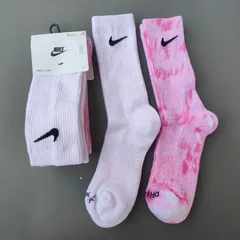
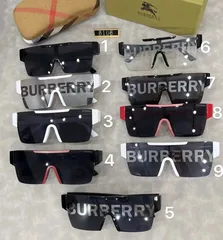

Browse product categories
What is Sugargoo, and how do you order?
Sugargoo is a purchasing and forwarding service for products from Chinese sellers. It helps organise buying, warehouse handling and the international parcel.
This independent spreadsheet brings together 2,429 product references, displayed USD prices and the corresponding Sugargoo purchase links. Use it to compare candidates; confirm the selected option and current charges on the platform before paying.
This is an independent product directory and buying guide. It is not the official Sugargoo website.
- Choose a product and its optionsUse the categories or search, then record the exact item, colour, size and quantity.
- Submit the order on SugargooOpen the product’s purchase link, confirm its options and the displayed charges, then pay the product order. Buying guide
- Review the warehouse QCCompare the received item with your saved selection. Resolve a discrepancy or request a useful view before sending it. QC guide
- Choose shipping and pay the freightSelect the items, packing and eligible route for your destination. Review the parcel quote and pay international shipping. Shipping guide
- Track the parcel and check deliveryFollow the carrier events and check the contents and condition when the parcel arrives. Tracking guide
 Bags & Wallets
 Watches
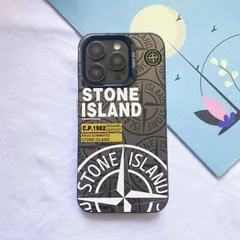 Electronics
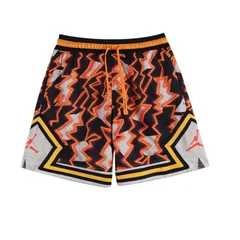 Jerseys
Sugargoo is a shopping agent that assists with purchasing from Chinese sellers and arranging onward shipment. This site brings together product-discovery links and practical buying guides. The shopping destinations open the product catalog; the articles help you think through the purchase. This site does not take payment for your Sugargoo order or operate its warehouse.
Open a category that matches your purchase
A category is a way to find possibilities, not a promise about every product inside it. Read the selected option after opening an offer. The item shown in a large promotional photograph and the item included in the lowest displayed price may differ.
Give each find a reason to stay
Keep the answer alongside the product reference, colour, size and quantity. Then add the unresolved question, such as whether the sleeve length is suitable or whether the set includes both pieces. Your sheet becomes a record of decisions rather than a second place to scroll through pictures.
Check the transaction and the advice you rely on
Read coupon conditions, payment choices and payment status problems before assuming an advertised amount is the complete cost. For a parcel, review shipping insurance questions before dispatch.
What a useful spreadsheet entry contains
Check whether the row keeps its meaning
The product name, picture and destination should refer to the same thing. After opening the link, compare colour, size, quantity and included pieces. A row showing a matching outfit can be misleading if the selected offer contains only the top.
Prefer details connected to your intended use
For clothing, look for a measuring method as well as numbers. Length from the shoulder and length from the collar are not automatically comparable. For trousers, waist alone may leave the rise, thigh and leg length unresolved.
Use a garment you already own as a reference where appropriate. If two hypothetical jackets measure 71 cm and 67 cm from the same shoulder point to the hem, the difference is 4 cm. That is a useful observation about length, not a complete verdict on fit.
Compare the same stage of spending
Keep a product-only price apart from a price that includes seller-to-warehouse delivery. In a hypothetical example, an item at 92 CNY with 13 CNY domestic shipping totals 105 CNY for that stage. Another offer at 102 CNY with the same delivery scope would be 3 CNY lower, despite a higher initial item figure.
A small, comparable shortlist
The easiest spreadsheet to use is the one that lets you find the right product row, understand its details and update your decision without breaking the relationship between columns. For a Sugargoo shortlist, a simple well-organised table often matters more than advanced features.
Is Excel the best spreadsheet for this task
It is not automatically the best choice for every buyer. Consider who will use the file, which devices they use and whether they can comfortably maintain the table. A familiar tool with clear product rows can serve you better than a more elaborate workbook nobody wants to update.
Start with fields that answer real questions
Use a clear item name, source reference, chosen variation, quantity, currency, amount and next question. Add measurements or a date when those affect the decision. Keep an old observed price distinct from a current payment amount.
Share only what others need
Give editing access deliberately and keep private account, payment and address information out of a public shopping sheet. A public product reference does not require sharing the transaction record behind it.
Turn a find into a usable product record
Begin with one need, such as a light layer for commuting or trousers that work with shoes you already own. This gives you a reason to reject attractive but irrelevant items. It also makes a product spreadsheet easier to maintain.
Choose a category before comparing offers
Keep unlike purchases separate. Comparing a jacket with a cap because both are inexpensive does not answer which jacket best fits your needs. Compare products that could genuinely replace one another, then choose whether an additional item serves a different purpose.
Turn a style label into useful checks
Likewise, an “old money” selection is a style description, not a material specification. Decide which features you actually want: a quieter colour palette, a particular collar, a straight trouser shape or fewer visible graphics. Then check the cut, measurements and description instead of treating the style name as a quality grade.
For each find, keep a short reason to consider it and one question that remains unresolved. “Works with the trousers I wear most; sleeve length needs checking” is more actionable than “looks good.”